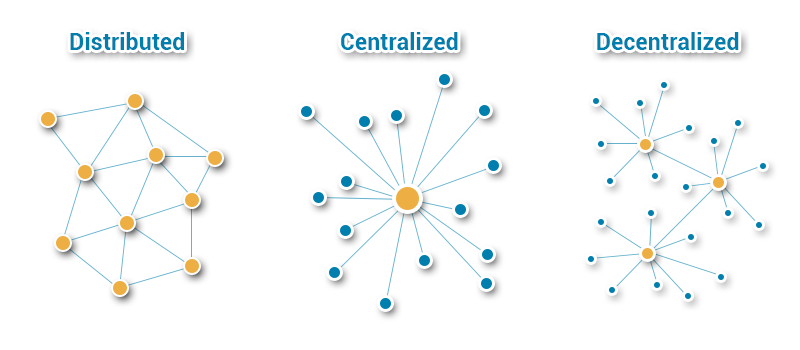
What Is Decentralized Exchange? / Blockchain Technology: Decentralized Finance | by CertiK ... : It operates like a stock exchange, except it is run by a smart contract on the ethereum blockchain that enforces rules and executes trades.. Decentralized cryptocurrency exchanges aim to solve the problems inherent in centralized exchanges. Contrary to centralized exchanges, which have an intermediator, decentralized exchanges rely on a blockchain. How do centralized exchanges work? To better identify what a decentralized exchange is, it's important to first understand how centralized exchanges work. A decentralized exchange (commonly referred to as dex) is an exchange that operates on the basis of a distributed ledger, does not store users' funds and personal data on its servers, and acts only as a platform for purchase, sale or swapping of users' digital assets.
A decentralized exchange (dex) is an exchange that operates based on a distributed ledger, does not store users' funds and personal data on its servers, and acts only as a platform for searching for matches on orders to buy or sell user assets. You can read more about it here about it. What is a decentralized exchange (dex)? But in this article, we are primarily interested in a platform that emulates the functions of centralized exchanges. The main difference is that their backend exists on a blockchain.
Value Shift in Decentralized Technologies - Coinmonks - Medium from cdn-images-1.medium.com But in this article, we are primarily interested in a platform that emulates the functions of centralized exchanges. The waves exchange provides you with the best of the two worlds by handing you the control of your funds on the blockchain. Waves dex or the waves decentralized exchange is the product of waves cryptocurrency and blockchain about which we have talked in detail on coinsutra. At their core, decentralized exchanges use smart contracts to ensure two parties engaged in a trade fulfill the conditions of their agreement. Decentralized exchanges or dexs are autonomous decentralized applications (dapps) that allow cryptocurrency buyers or sellers to trade without having to give up control over their funds to any intermediary or custodian. Decentralization is promising a system liberated from banks, laws, and third parties. As you may already know, defi, is a movement wherein developers create decentralized alternatives of various traditional legacy financial institutions and products. A decentralized exchange, commonly known as dex, is a cryptocurrency exchange where crypto transactions happen between customers.
The main difference is that their backend exists on a blockchain.
Contrary to centralized exchanges, which have an intermediator, decentralized exchanges rely on a blockchain. Decentralized cryptocurrency exchanges create p2p markets that allow investors to independently store funds and trade. To better identify what a decentralized exchange is, it's important to first understand how centralized exchanges work. A dex, or decentralized exchange, is mainly a type of cryptocurrency exchange. At their core, decentralized exchanges use smart contracts to ensure two parties engaged in a trade fulfill the conditions of their agreement. Blockchain companies using decentralized exchange models. How do centralized exchanges work? These include asset trading/exchange, order matching, capital deposits, and order books. Instead, digital signatures are used to track transactions and authorize them in turn, meaning the actions performed on a decentralized exchange will be a lot slower. Waves dex or the waves decentralized exchange is the product of waves cryptocurrency and blockchain about which we have talked in detail on coinsutra. To better identify what a decentralized exchange is, it's important to first understand how centralized exchanges work. A decentralized exchange or dex is a place where people can go to trade cryptocurrencies without an intermediary. Thus, the system has the potential to bolster its.
A decentralized exchange, or more commonly a dex, is one of the most fascinating aspects of the defi revolution. A decentralized exchange or dex is a place where people can go to trade cryptocurrencies without an intermediary. Contrary to centralized exchanges, which have an intermediator, decentralized exchanges rely on a blockchain. It operates like a stock exchange, except it is run by a smart contract on the ethereum blockchain that enforces rules and executes trades. Decentralized cryptocurrency exchanges aim to solve the problems inherent in centralized exchanges.
Blockchain Solutions: How to Transform Your Business ... from dzone.com A decentralized exchange (dex) is an exchange that operates based on a distributed ledger, does not store users' funds and personal data on its servers, and acts only as a platform for searching for matches on orders to buy or sell user assets. Idex — one of the largest options available on the market with over $1.5 million in trading volume and around 400 hundred trading pairs. At their core, decentralized exchanges use smart contracts to ensure two parties engaged in a trade fulfill the conditions of their agreement. What is a decentralized exchange (dex)? For flawless interaction with a dex, you need to obtain a digital wallet. Waves dex or the waves decentralized exchange is the product of waves cryptocurrency and blockchain about which we have talked in detail on coinsutra. The aim of decentralized exchange (dex) is to solve the inherent problems of centralized exchanges. Decentralized cryptocurrency exchanges aim to solve the problems inherent in centralized exchanges.
You can read more about it here about it.
These include asset trading/exchange, order matching, capital deposits, and order books. Therefore, there are often no registration requirements for using the exchange beyond having a wallet address. For flawless interaction with a dex, you need to obtain a digital wallet. A decentralized exchange (dex) is an exchange that operates based on a distributed ledger, does not store users' funds and personal data on its servers, and acts only as a platform for searching for matches on orders to buy or sell user assets. The main difference is that their backend exists on a blockchain. Decentralized cryptocurrency exchanges create p2p markets that allow investors to independently store funds and trade. Decentralized exchanges or dexs are autonomous decentralized applications (dapps) that allow cryptocurrency buyers or sellers to trade without having to give up control over their funds to any intermediary or custodian. A decentralized exchange is an exchange market that does not rely on a third party service to hold the customer's funds. A decentralized exchange or dex is a place where people can go to trade cryptocurrencies without an intermediary. Also known as dex, a decentralized cryptocurrency exchange isn't run or managed by a single group or individual like a centralized exchange. A decentralized exchange is on the digital side of things as a result; To better identify what a decentralized exchange is, it's important to first understand how centralized exchanges work. However, it is not a truly decentralized exchange, as it still retains some qualities of traditional, centralized exchanges, such as a kyc policy.
The waves exchange provides you with the best of the two worlds by handing you the control of your funds on the blockchain. A decentralized exchange (dex) is an exchange that operates based on a distributed ledger, does not store users' funds and personal data on its servers, and acts only as a platform for searching for matches on orders to buy or sell user assets. A decentralized exchange (commonly referred to as dex) is an exchange that operates on the basis of a distributed ledger, does not store users' funds and personal data on its servers, and acts only as a platform for purchase, sale or swapping of users' digital assets. What is a decentralized exchange (dex)? You can read more about it here about it.
Mark Cuban Invests in Decentralized Knowledge Market ... from trickycrunch.com This system can be achieved by creating proxy tokens (crypto assets that represent a certain fiat or crypto currency) or assets (that can represent shares in a company for example) or. As we mentioned above, dex stands for a decentralized crypto exchange. Idex — one of the largest options available on the market with over $1.5 million in trading volume and around 400 hundred trading pairs. Therefore, there are often no registration requirements for using the exchange beyond having a wallet address. A decentralized exchange, commonly known as dex, is a cryptocurrency exchange where crypto transactions happen between customers. But in this article, we are primarily interested in a platform that emulates the functions of centralized exchanges. Decentralized cryptocurrency exchanges create p2p markets that allow investors to independently store funds and trade. How do centralized exchanges work?
Decentralized cryptocurrency exchanges aim to solve the problems inherent in centralized exchanges.
Decentralized cryptocurrency exchanges create p2p markets that allow investors to independently store funds and trade. Also known as dex, a decentralized cryptocurrency exchange isn't run or managed by a single group or individual like a centralized exchange. As we mentioned above, dex stands for a decentralized crypto exchange. This system can be achieved by creating proxy tokens (crypto assets that represent a certain fiat or crypto currency) or assets (that can represent shares in a company for example) or. But in this article, we are primarily interested in a platform that emulates the functions of centralized exchanges. However, it is not a truly decentralized exchange, as it still retains some qualities of traditional, centralized exchanges, such as a kyc policy. To better identify what a decentralized exchange is, it's important to first understand how centralized exchanges work. The waves exchange provides you with the best of the two worlds by handing you the control of your funds on the blockchain. Instead, digital signatures are used to track transactions and authorize them in turn, meaning the actions performed on a decentralized exchange will be a lot slower. Decentralized cryptocurrency exchanges aim to solve the problems inherent in centralized exchanges. Decentralization is promising a system liberated from banks, laws, and third parties. Decentralized exchanges or dexs are autonomous decentralized applications (dapps) that allow cryptocurrency buyers or sellers to trade without having to give up control over their funds to any intermediary or custodian. How do centralized exchanges work?